How to Choose a Veterinary Clinic in Roseville, CA

November 12, 2026
Veterinary clinic exam room with a computer desk, instrument tray, and cat anatomy poster

Choosing a veterinary clinic in Roseville, CA, is easier when you know what to ask before you book. This guide lists the questions that matter, so you can compare clinics with confidence and find care your pet can rely on for years.


Why the Right Veterinary Clinic Matters

A good veterinary clinic becomes your pet's long-term health partner, not just a place for shots. The same team sees your pet through puppy or kitten visits, adult checkups, and senior care.


When a team knows your pet's history, it can spot small changes early. That can make treatment simpler and less stressful for everyone.

Questions About Hours and Location

Convenient hours and an easy drive make it more likely that you will keep up with visits. Start with the basics.


  • What days and hours is the clinic open?
  • Is the clinic closed for lunch?
  • How long is the drive from your home or work?
  • Does the clinic offer weekend appointments?


Roseville pet owners often look at clinics in nearby areas such as Citrus Heights, Rocklin, and Granite Bay. A clinic just outside the city can still be a short drive and may offer hours that fit your schedule better.

Questions About Services

A full-service veterinary clinic can handle most needs under one roof. That saves you from juggling several offices.


Ask whether the clinic provides these services:


  • Wellness exams and vaccinations.
  • Dental cleanings and oral exams.
  • Surgery, including spay and neuter.
  • In-house lab work and X-rays.
  • Pharmacy services and prescription diets.


Also ask which pets the clinic sees. Some clinics treat dogs and cats only. Others also see rabbits, birds, and other small pets.

Questions About the New-Patient Process

A clear new-patient process shows that a clinic is organized and welcoming. Ask what to expect before your first visit.


  1. How do I request an appointment: by phone, online, or both?
  2. What records should I bring from my last vet?
  3. How long does the first exam usually take?
  4. Will the veterinarian explain a care plan before I leave?


Bringing past vaccine records and a list of medications helps the team learn your pet's history quickly.

Questions About the Veterinary Team

The people behind a clinic shape every visit. Ask how long the veterinarians have practiced and whether you will see the same doctor each time. Consistent care helps a veterinary clinic notice small changes in your pet.


Ask whether the staff uses calm handling that keeps nervous pets comfortable. A friendly, steady team makes a big difference.

Questions About Communication and Costs

Clear talk about treatment options builds trust. A good clinic explains what it finds in plain words and answers your questions without rushing you.


Ask how the clinic shares treatment options and estimates before work begins. You can also ask how it handles follow-up questions after a visit. Many clinics accept major credit cards, and some offer payment plans or work with pet insurance, so ask what they accept.


What About Emergencies and After-Hours Care?

Most veterinary clinics are not open all night, so ask where they send after-hours cases. Knowing the answer before an emergency saves precious time.


The Roseville area has 24-hour emergency hospitals. A good clinic can tell you which one it recommends and how to reach it. Write that name and phone number on your fridge or save it in your phone.

Signs of a Good Fit

Your first visit tells you a lot about a clinic. Watch for these signs:


  • The staff greets you and your pet in a calm, friendly way.
  • The clinic looks clean and well kept.
  • The veterinarian listens to your concerns and answers your questions.
  • You leave knowing what comes next for your pet.


Trust your instincts. If something feels off, it is fine to visit another clinic.

Take the Next Step Toward Better Pet Care

Choosing a clinic comes down to hours, services, a clear process, and a team you trust. Sylvan Corners Pet Hospital is in Citrus Heights, CA, and serves Roseville pet owners with wellness care, dentistry, and surgery for dogs and cats. See how the practice cares for pets on its Roseville veterinary hospital page, or read more about the practice on Sylvan Corners Pet Hospital on Google.


Ready to book? Contact the team or call 916-726-5200 to schedule your pet's first visit.
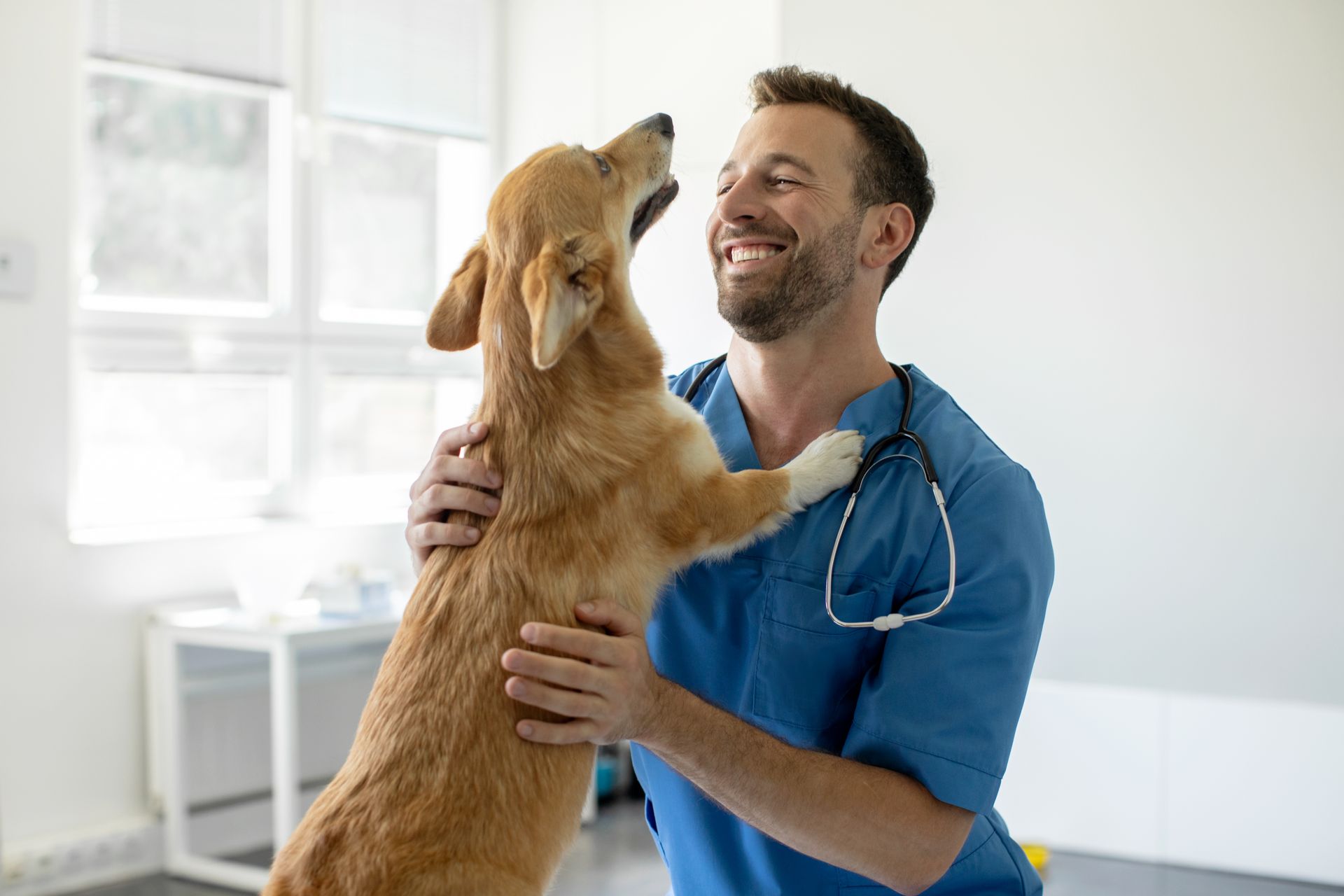

Smiling veterinarian in blue scrubs hugging a corgi standing on its hind legs
November 12, 2026
Not sure if your pet needs a vet in Roseville, CA? Sylvan Corners Pet Hospital explains what to watch at home and when to call. Contact us today.
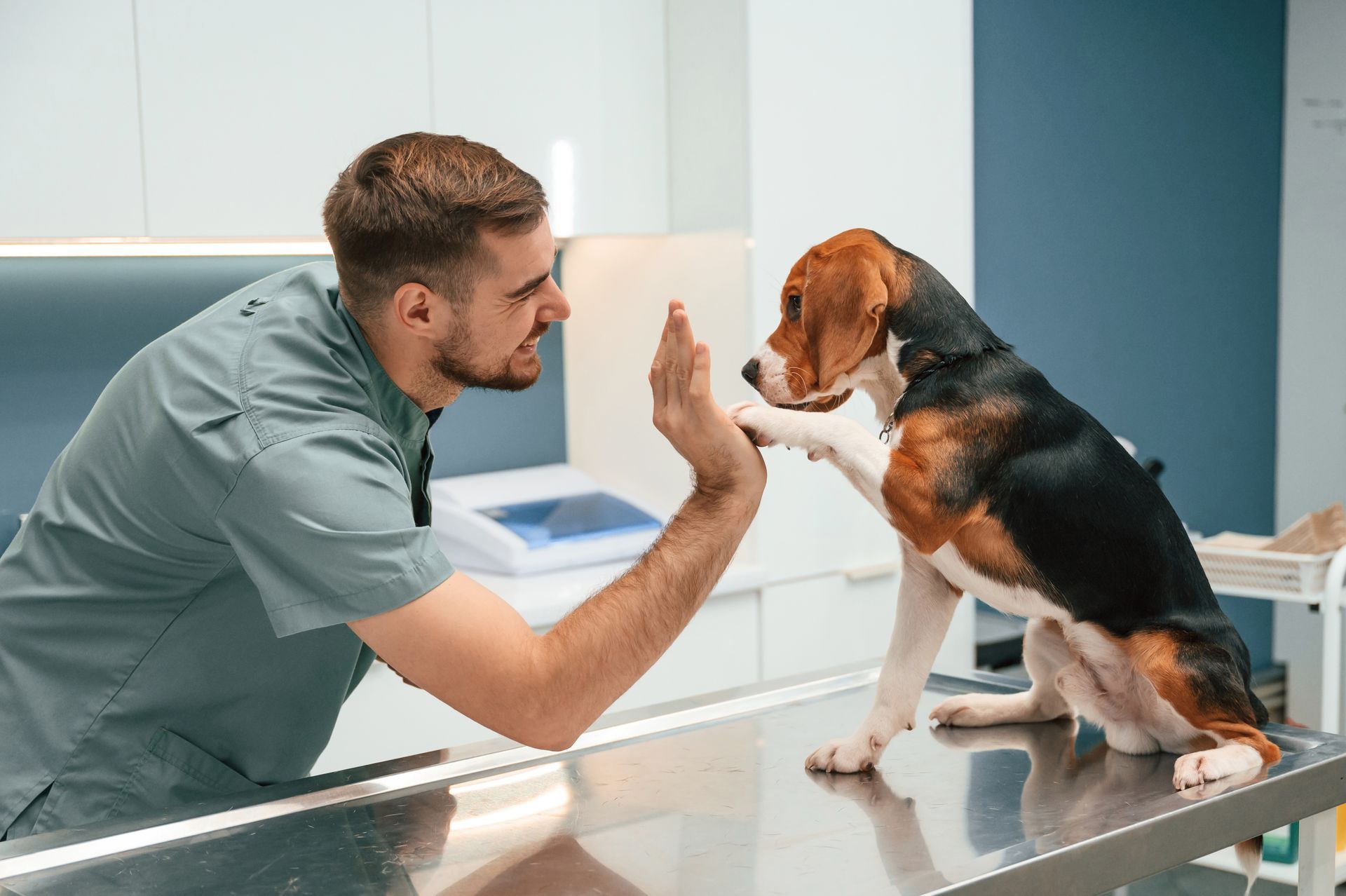
Beagle gives vet a paw high five at veterinarian hospital.
By Sylvan Corners Pet Hospital • October 22, 2026
Preparing for your pet's first veterinarian hospital visit in Roseville, CA? Sylvan Corners Pet Hospital offers compassionate care. Visit our website today.
Animal for examination in the veterinary clinic.
July 14, 2026
Learn how often your pet needs a vet hospital visit in Roseville, CA. Sylvan Corners Pet Hospital offers trusted preventative care. Call to schedule today.
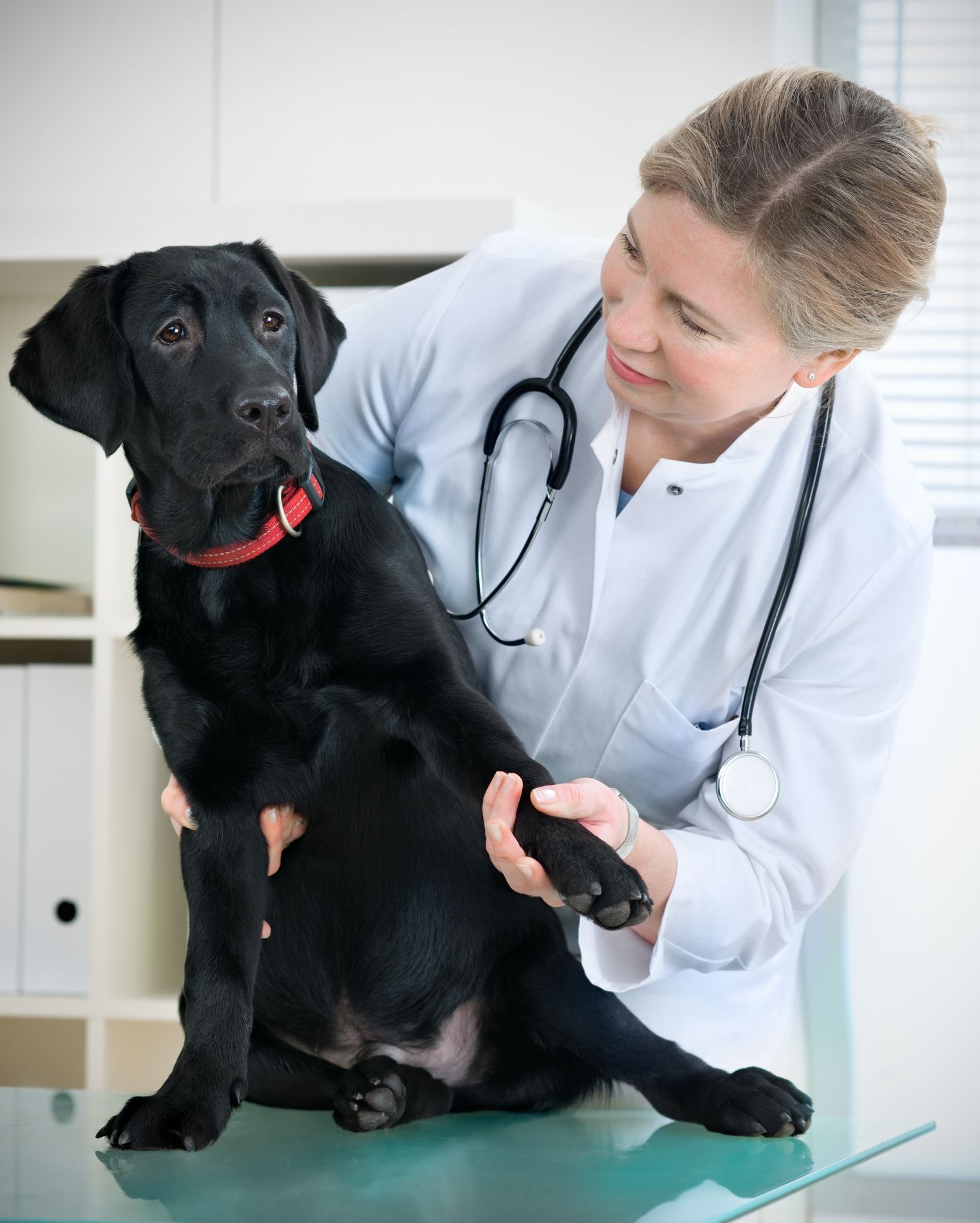
A dedicated vet examines a black Labrador puppy in a veterinarian hospital, ensuring its health with
By Admin • February 22, 2025
Looking for a reliable veterinarian hospital in Roseville, CA? Contact Sylvan Corners Pet Hospital at (916) 726-5200 to get expert care for your pets.
Dog giving paw to person, outdoors.
By Admin • December 20, 2024
Discover top tips for training your new pup from Veterinarian Hospital Roseville Ca. Join Sylvan Pets for socialization classes! Call Now.
Happy golden Cocker Spaniel puppy running on green grass.
By Admin • July 18, 2018
Canine parvovirus (or just parvo) is an extremely contagious disease that any dog can get, but puppies in particular are most susceptible due to their young immune systems. The illness is gastrointestinal in nature and can be fatal if not treated early in your young dog. Canine parvovirus is spread by infected dogs who come in contact with healthy dogs or if a person handles infected feces and goes around a healthy dog. Vaccinations to prevent canine parvovirus infection begin at less than two months of age and are given in a series of shots until a puppy reaches around four months old. If your puppy is exposed to canine parvovirus in any way, they can become infected and will quickly become ill, especially if your dog has not received their full series of vaccinations for the virus. The following are signs your puppy has parvo. If any of these signs apply to your young pup, take them to the vet right away for diagnosis and treatment. Parvo can be fatal if not treated within 48 to 72 hours.
Gray tabby cat eating from a silver bowl on a wooden floor, near a window.
By sylvanpets • June 20, 2018
If you're a cat owner, you will want your feline friend to enjoy good health and contentment for a lifetime. The first step to ensuring you pet's good health is to schedule routine wellness exams. The veterinarian will examine your cat and offer helpful advice. In addition, you can care for your furry feline companion in many different ways, including the following.
Beagle puppy chewing on a treat outdoors, brown and white fur, focused expression.
By Admin • April 21, 2018
Not all pet owners know this, but dogs can develop dental problems just like people. Dog owners who are aware of the many dental problems that dogs can develop can make the effort to protect their dogs from painful, unpleasant dental conditions. This FAQ will help educate dog owners about the many problems that can develop if a dog's teeth are not cleaned regularly.
Yellow Labrador dog lying in grass, panting with tongue out, sunny outdoor setting.
By Admin • March 23, 2018
You love your dog or cat, and you only want to do what is best for them. Some pet owners avoid spay and neuter procedures because they don't want to cause their pets pain or because they've heard rumors that these procedures are unsafe. While your intentions to protect your pet are noble, they are a bit misplaced. In almost all cases, spaying or neutering your pet really is the best choice - for you, for your pet, and for the animal population as a whole. These three key facts about spaying and neutering will show you why this is the case.
White Bichon Frise dog with a pink tongue sticking out, wearing a pink bow, outdoors.
By Admin • February 14, 2018
According to the U.S. Food & Drug Administration , heartworms have been reported in dogs in all 50 states, which means all dogs are at risk of contracting heartworm disease. Heartworms, or Dirofilaria immitis , are transferred from infected mosquitoes to your beloved pet when the insect bites your dog. A pup with heartworms can suffer heart failure, organ damage, lung disease and even death. Since you likely won’t know that your canine has had any contact with an infected mosquito, learn all you can about heartworms and how to prevent them. After all, prevention is the most important thing you can do.
Show More